 Paros Boat Tours
What to Bring on a Paros Boat Trip: The Complete Packing List
The answer to what to bring Paros boat trip veterans actually carry is a shorter list than most people pack: swimwear already on, a towel, reef-safe sunscreen, a hat and one warm layer for the wind. Drinks, snorkel gear and on the full days lunch itself come with the fare. This guide walks the bag item by item, season by season, and flags what to leave at the hotel. The trips themselves are stacked in the Paros boat tours comparison, with inclusions side by side in the Paros boat tour price comparison.
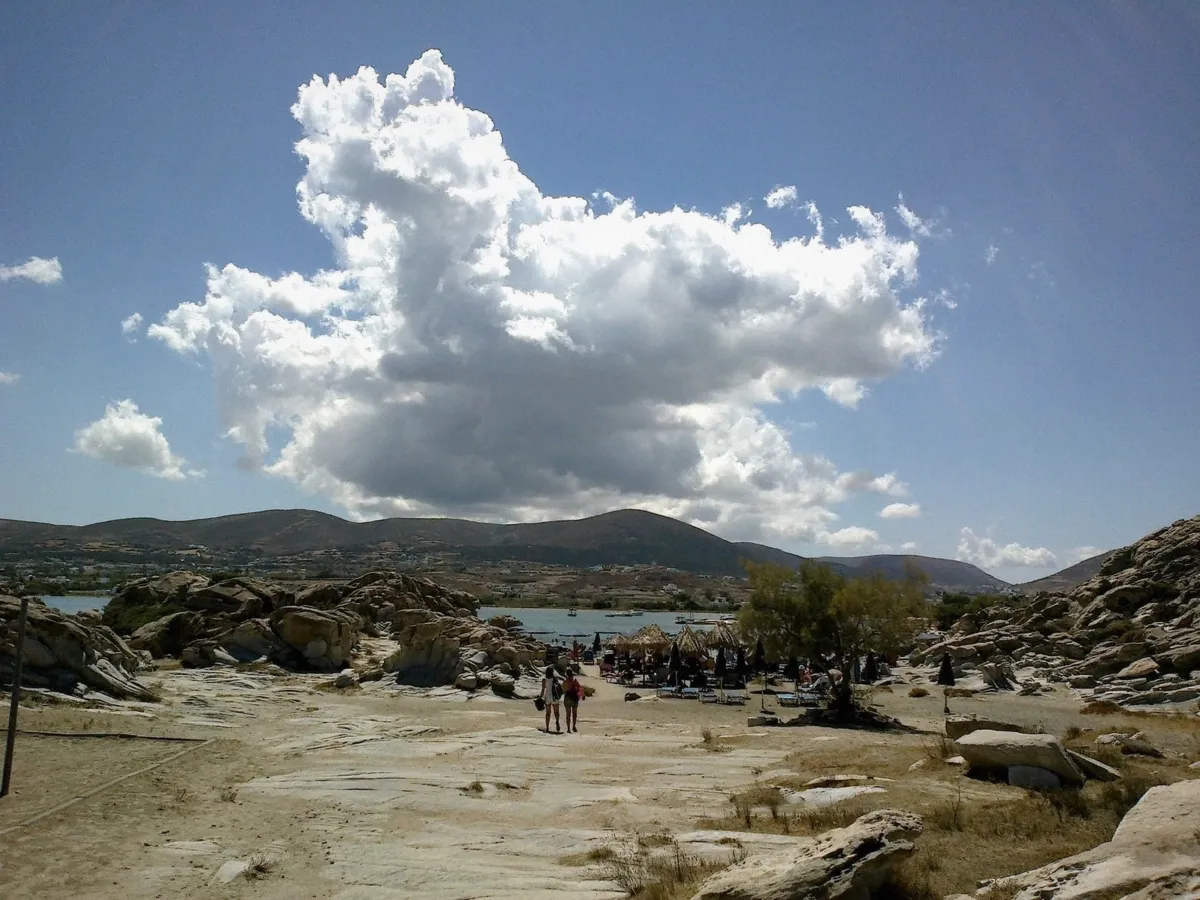
Cyclades Paros Kolimbithres Plage 04092014 - panoramio. Photo: rene boulay (CC BY-SA 3.0) via Wikimedia Commons.
Quick answer Swimwear, high-SPF sunscreen, hat, sunglasses, a light layer, dry bag, medication and a towel cover almost every Paros boat trip
Bring swimwear worn under your clothes, high-SPF sunscreen, a hat, sunglasses, a light shirt for cover, a windproof layer for the meltemi, reef-safe footwear if you want it, any personal medication, a waterproof phone pouch or small dry bag, and cash for extras. Most listings compared here already include lunch, drinks, snacks and snorkel gear, so you do not need to carry food or equipment. On half-day trips you can fit everything in one small bag.
Key takeaways
- Every trip in the comparison includes drinks and snacks, and most full-day options include lunch, so check your listing before packing food
- The Blue Lagoon half-day provides mask, snorkel and fins, so you only need swimwear and sun protection
- Trips run from late April to mid-October, and what you pack shifts with the season and the meltemi wind
- Depth first: the trip page breaks the route down stop by stop.
The packing list at a glance
Here is the whole list in one place. Print it or screenshot it. The right-hand column explains why each item earns its place on a Paros day boat, where deck space is limited and spray is a given.
Eleven items that cover every trip in the comparison
| Item | Why it matters on a Paros boat |
|---|---|
| Swimwear, already worn | Boats have no real changing space. Board ready to swim |
| High-SPF sunscreen | Reflection off the Aegean doubles your exposure. Reapply after every swim |
| Hat with a brim or strap | The meltemi takes loose caps straight into the water |
| Sunglasses, ideally cheap ones | Same wind risk. Do not bring your best pair |
| Light shirt or cover-up | Long sleeves beat sunscreen on a seven-hour day |
| Windproof light jacket | Afternoon meltemi crossings get cool even in August |
| Waterproof phone pouch or dry bag | Spray over the bow is normal, not exceptional |
| Personal medication | There is no pharmacy at sea. Bring motion sickness tablets if unsure |
| Towel, quick-dry | Not on every packing list, see the section below |
| Small cash | For gratuities or a drink at a stop where cards are slow |
| Reusable water bottle | Full-day boats top up water, but a bottle stops you queuing |
Swimwear and water gear
You will swim straight off the boat at every stop. On the Antiparos and Despotiko swim cruise the stops include the Blue Lagoon shallows, the Antiparos sea caves and bays off Despotiko. On the Naoussa Bay cruise you swim at Analipsi Beach.
Wear your swimsuit under your clothes when you board. There is a WC on these boats but no private changing cabin, and nobody wants to wrestle with wet fabric in a rolling deck.
What the boats already provide
Check your listing before buying gear. The Blue Lagoon half-day and the Pirate Cave trip include mask, snorkel and fins for every guest. The catamaran cruise adds kayaks and paddleboards on top of snorkel gear.
If your trip includes equipment, a cheap pair of water shoes is the only extra worth considering for the granite and pebble entries.
- Wear your swimsuit under your clothes
- Rash vest if you burn easily, it also helps on windy swims
- Water shoes for pebbly entries, optional but useful
- Leave your own snorkel set at home on trips that supply one
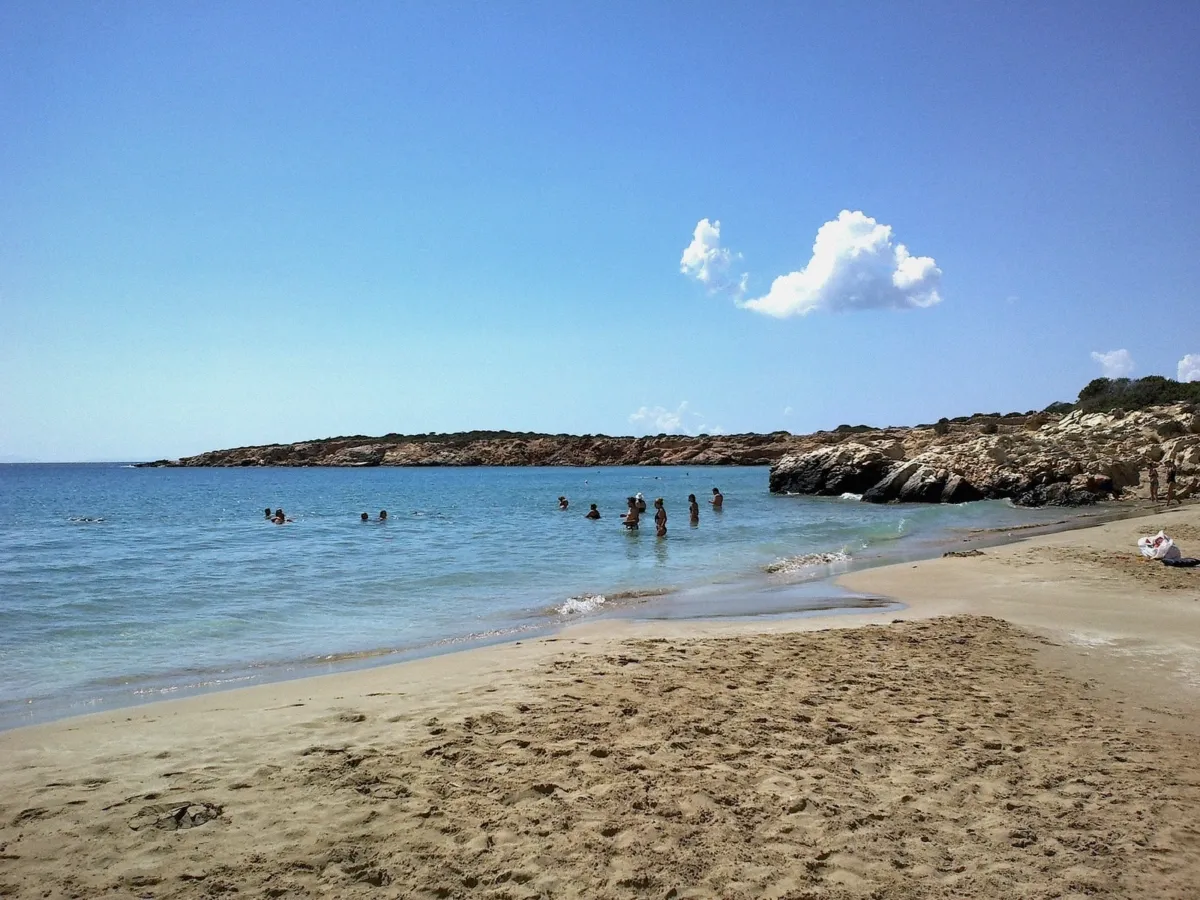
Cyclades Paros Faragas Beach - panoramio. Photo: rene boulay (CC BY-SA 3.0) via Wikimedia Commons.
Sun protection that survives a full day at sea
A Paros day boat offers no shade you can rely on. The kaiki in the seafood lunch cruise has deck seating in the open, and even boats described as having a shaded deck put most guests in the sun during swim stops. Sea reflection adds a second dose of UV from below.
Sunburn is the single most common way a boat day goes wrong.
The practical setup
- High-SPF sunscreen, applied before you board and again after each swim
- Stick or sunscreen for face and ears, it stays on in spray better than lotion
- Wide-brimmed hat with a chin strap or a snug cap
- Sunglasses with UV filtering, on a strap if you have one
- Long-sleeved light shirt for the middle hours, this is what crew wear
Reef-friendly choices
The waters you swim in are shallow and clear, which is exactly why the Blue Lagoon half-day is so popular. Sunscreen washes off in those shallows. A mineral sunscreen and a long-sleeved layer reduce what you add to the water without changing your day.
Clothing and the meltemi layer
The meltemi is the northerly Aegean summer wind, strongest in July and August, and it makes afternoons rougher than mornings. Captains respond by re-routing to the sheltered south-west side, which is why itineraries are weather-permitted on every listing here. Even re-routed, the crossing and the moving boat create real wind chill, especially when you are damp from the last swim.
Dress in two layers
- Base: swimsuit plus a light cotton shirt or cover-up
- Top layer: a thin windproof jacket, packed small
- Dry set for the ride home on full-day trips, you will thank yourself
- Nothing you would mourn if a wave took it
Season changes the list
Day boats run roughly from late April to mid-October. Sea temperature peaks at 24 to 25 degrees in August, while May and October swims are cooler, so a rash vest earns its place in the shoulder months. The season breakdown on our best time for a Paros boat trip guide goes deeper.
If you are still choosing a trip, the Paros boat tour price comparison sets out what each listing includes so you know what to leave in your bag.
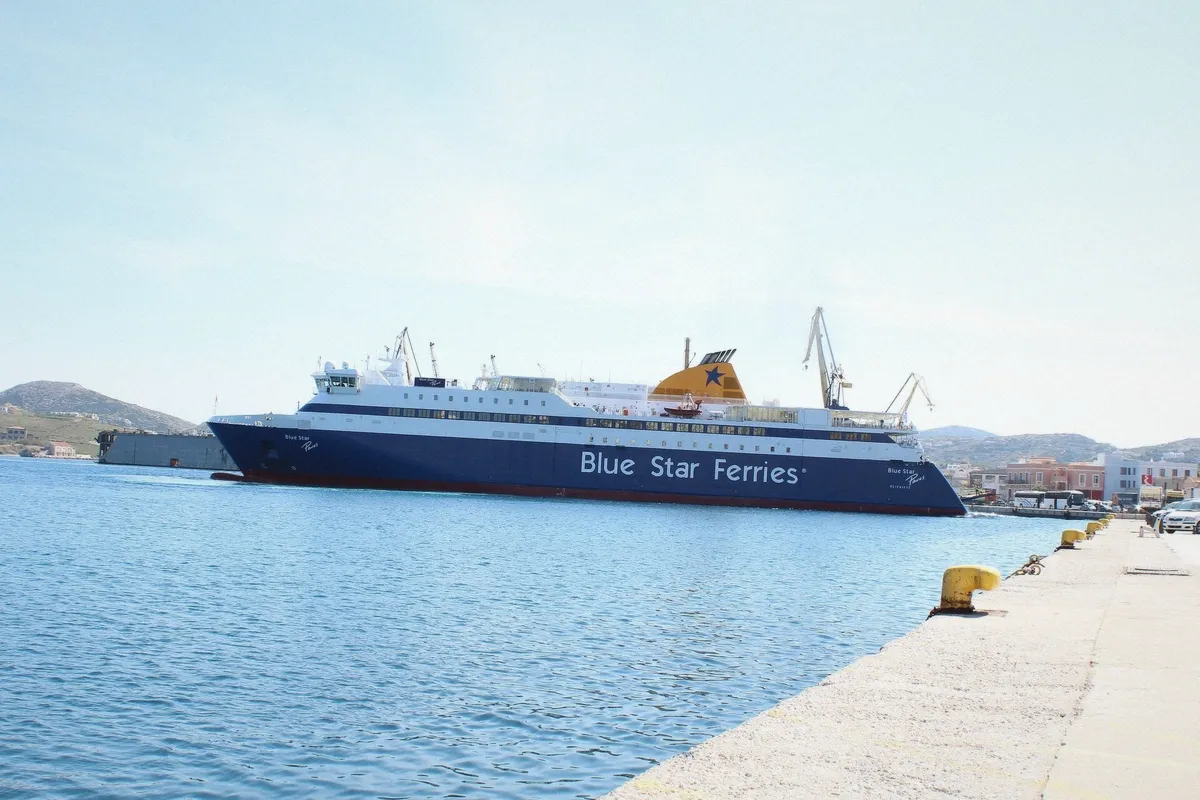
Blue Star Ferries Paros Boat. Photo: Zacharias Mitzelos (CC0) via Wikimedia Commons.
Footwear and the towel question
Competitor packing lists disagree about towels, so here is the honest position read from the listings. Towels are not listed as included on any of the trips compared here compared on this site. Some travellers bring a quick-dry travel towel, others dry off with their shirt and sit in the wind for ten minutes.
A small microfibre towel weighs nothing, so it is a reasonable default.
Footwear rules of thumb
- Barefoot on the boat, most wooden decks ask for it
- Flip flops or sandals for the departure point and any shore stop
- Water shoes if you want protection on pebbles and granite
- Leave hiking shoes behind, no trip here involves walking terrain except the optional Despotiko ruin walk
The Despotiko exception
The kaiki cruise with seafood lunch includes a walk up to the ancient sanctuary ruins on Despotiko, an active excavation of an Apollo sanctuary tracked by the Greek Ministry of Culture. Closed shoes make that stop more comfortable than flip flops. Everyone else can travel light.
Food, drink and staying well on board
Almost nothing in this category needs packing, because the boats feed you. The Antiparos and Despotiko swim cruise serves a traditional Parian lunch with wine, soft drinks, fruit and snacks. The kaiki options serve either a Mediterranean seafood menu or a grilled souvlaki BBQ, and the catamaran has a cook on board preparing lunch fresh.
Half-day trips include water, soft drinks and seasonal fruit.
What you still bring
- Motion sickness tablets taken before boarding if you are prone, afternoons on the meltemi are the rough window
- Personal medication in your day bag, never in a hold
- A water bottle, boats carry water but a bottle means you sip steadily
- Allergen note: the seafood-lunch kaiki asks guests to flag allergens to the operator in advance
Do not bring a cooler
There is no space for it and no need. If you have specific dietary needs, message the operator when you book rather than smuggling food aboard. Free cancellation up to 24 hours before departure applies across the listings here, so you can rebook a different boat if the menu does not fit.
Lefkes on Paros, 177052. Photo: Zde (CC BY-SA 4.0) via Wikimedia Commons.
Documents, money and keeping your phone alive
No passport checks happen on these trips, which stay inside Greek waters around Paros, Antiparos and Despotiko. Bring your booking confirmation on your phone, a small amount of cash, and protect your electronics from spray. This is the category where a cheap dry bag earns its price every single time.
The electronics kit
- Waterproof phone pouch with a lanyard, so photos happen at swim stops
- Small dry bag for the whole bag on open-deck boats
- Power bank, full days drain batteries fast
- Camera with a wrist strap if you bring one, neck straps catch on rails
Money
Drinks and lunch are included on most listings, so your spending on board can be zero. Cash covers a tip for the crew and any purchase at a stop. The sunset boat trip is the shortest and cheapest format if you want the on-water experience without a full-day kit list.
What not to bring on a Paros boat
Deck space is the constraint. Boats here carry between 25 and a few dozen guests on open decks, and every hard suitcase, cooler and glass bottle is a trip hazard in a swell. Anything valuable that you would hate to lose overboard should stay at your hotel.
Leave these behind
- Hard suitcases, bring one soft day bag
- Valuables and jewellery you cannot swim in
- Your best sunglasses or an expensive watch
- Glass bottles, most boats ban them
- Drones, no listing here permits them and take-off from a moving deck is a bad idea
- Excess snorkel gear when your trip already supplies it
- Single-use plastic you will have to carry back

Paros Alyki3 tango7174. Photo: Tango7174 (CC BY-SA 4.0) via Wikimedia Commons.
Is a Paros boat tour worth the kit list effort?
Yes, and the packing is the easy part. The listings on this site score between 4.7 and 4.9 out of 5 across hundreds of verified reviews, and the cheapest full-day swim cruise starts from $57 per person with lunch and drinks included. You get access to places a car cannot reach, like the Blue Lagoon shallows between the Panteronissia islets and the bays off uninhabited Despotiko.
Why reviewers rate the format
- Swimming from a boat at three or more stops in a single outing
- Lunch, wine and gear included on most full-day options, so a light bag genuinely works
- Captains re-route daily to the calmest water, which keeps the meltemi from ruining a day
- Kids are welcome on most trips, see our guide to Paros boat trips with kids for the family angle
The May and October Bag
Shoulder-season boat days run cooler on the water than on land, and the wind that the sheltered route avoids still finds you at anchor. A fleece or light windbreaker that lives at the bottom of the bag all trip becomes the best-worn item aboard, and swimmers who skip it often sit out the last swim of the day. Water temperature in May sits around seventeen to eighteen degrees celsius, brisk enough that a towel over the shoulders matters the moment you climb out.
The shoulder bag also earns its space for the crossing itself. Full-day routes to the Antiparos caves run fifteen to twenty minutes of open water where spray comes over the bow on anything but a flat day, and a zip plastic bag for phones and cameras is the difference between photos and a bag of rice.
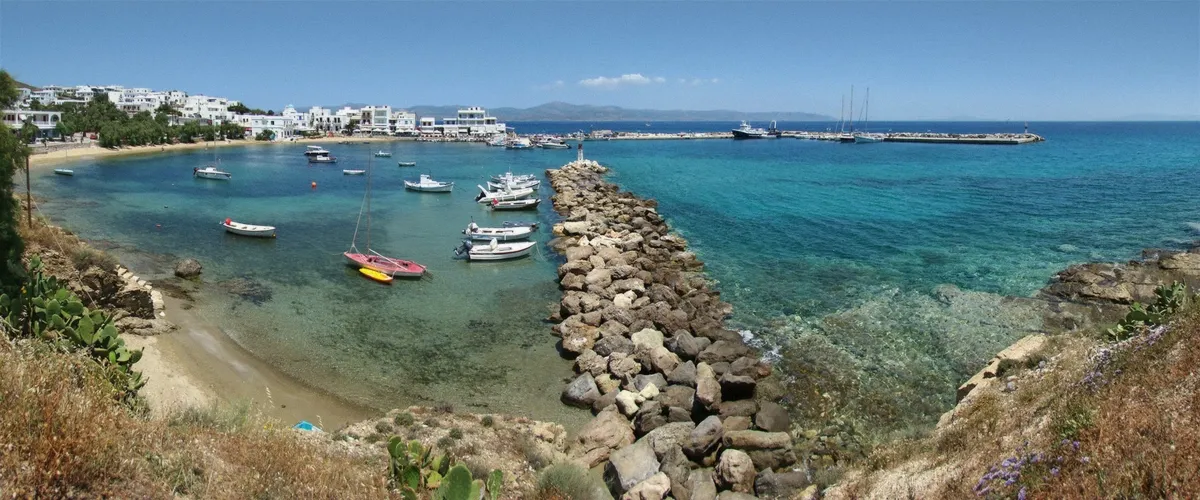
Paros PisoLivadi1 tango7174. Photo: Tango7174 (CC BY-SA 4.0) via Wikimedia Commons.
Packing for Kids
Children burn through boat days faster than adults, and the catalog's own listings explain what to carry. Several operators recommend ages five and up and ask for basic swimming skills, so arm bands or a float vest for weaker swimmers let them use the swim stops instead of watching from deck. Snorkel gear is on every boat, but a child-sized mask seals better than a borrowed adult one - if your child already owns a mask that fits their face, bring it.
Motion sickness hits children at roughly the same rate as adults and the meltemi afternoons are the trigger. A children's dose of a motion tablet taken before boarding, plus a plain snack such as crackers, covers most of it. Cash in small notes covers the ice creams at any harbour stop, and a full change of clothes left in the car or the hotel beats a salty, damp child for the rest of the day.
The Bag Questions, Answered
How much should the bag hold? Less than you think: one soft day bag per person covers every trip in the comparison, and the boats stow bags along the cockpit sides or under the benches. Hard coolers and roller cases are awkward on a small deck, and everything you need is small. Dry bags fold flat and earn their space by the second crossing.
Do you need cash? Yes, in small notes. Card machines appear on the bigger catamarans for the bar tab, but the kaiki crews pass a hat for gratuities and the harbour kiosks at Pounta are cash-first. Is a change of clothes worth it? On the full days, absolutely: seven hours of salt and spray makes the drive home in a dry shirt worth the space it took. And is a towel optional? It is the single item every listing declines to include, which makes it the one thing you will wish for first at the second swim stop.
The Ninety-Second Check Before You Leave the Hotel
Run the list in this order and nothing important stays behind. Water: one bottle per swimmer, since the boats top up but rarely chill. Sun: sunscreen, hat, sunglasses, and one long-sleeved layer for anyone fair. Swim: gear already on, towel in the bag, mask if your own fits better than the loaners. Money: small notes for gratuities and harbour stops, plus a card for the catamaran bar. Electronics: phone, and a dry pocket for it.
Then the two questions people skip. First, who in the group gets motion sick, and has anyone actually taken a tablet before boarding rather than promising to later? Second, what does the evening look like after the boat, and does anyone need dry shoes or a change of clothes for it? Ninety seconds on those two questions is the difference between a smooth day and a scratchy one, and it is the habit the crews notice in their most experienced guests.
The Listings Behind This Guide
Two linked listings that answer most of the questions on this page: the blue lagoon boat tour paros and the antiparos despotiko swim cruise pages carry the full route, the fine print and the reviews for each boat.
Frequently asked questions
Do I need to bring my own snorkel gear?
Not on most trips. The Blue Lagoon half-day and the Pirate Cave trip include mask, snorkel and fins, the full-day swim cruise has snorkel gear available from the crew, and the catamaran adds kayaks and paddleboards. Bring your own only if you are picky about mask fit.
Should I bring a towel on a Paros boat trip?
Towels are not listed as included on any of the trips compared on this site. A small quick-dry travel towel is the safe answer, and it weighs almost nothing.
What should I not bring on the boat?
Hard suitcases, glass bottles, drones, jewellery and anything you cannot afford to lose to spray or a wave. One soft bag per person covers a full day.
What do I wear to board a Paros boat?
Your swimsuit under a light shirt and shorts, with sandals you can kick off on deck. Add a thin windproof layer in your bag for the meltemi afternoons, which are rougher than mornings in July and August.
Do I need cash on board?
Drinks, snacks and on most trips lunch are included, so on-board spending can be zero. A small amount of cash covers a crew tip or a purchase at a shore stop.
What changes if I take the sunset cruise instead of a day trip?
Very little packing is needed. The two-hour sunset sail from Pounda has no swim stops, includes wine or prosecco with snacks, and a light layer for the evening breeze is the one item beyond your normal clothes.